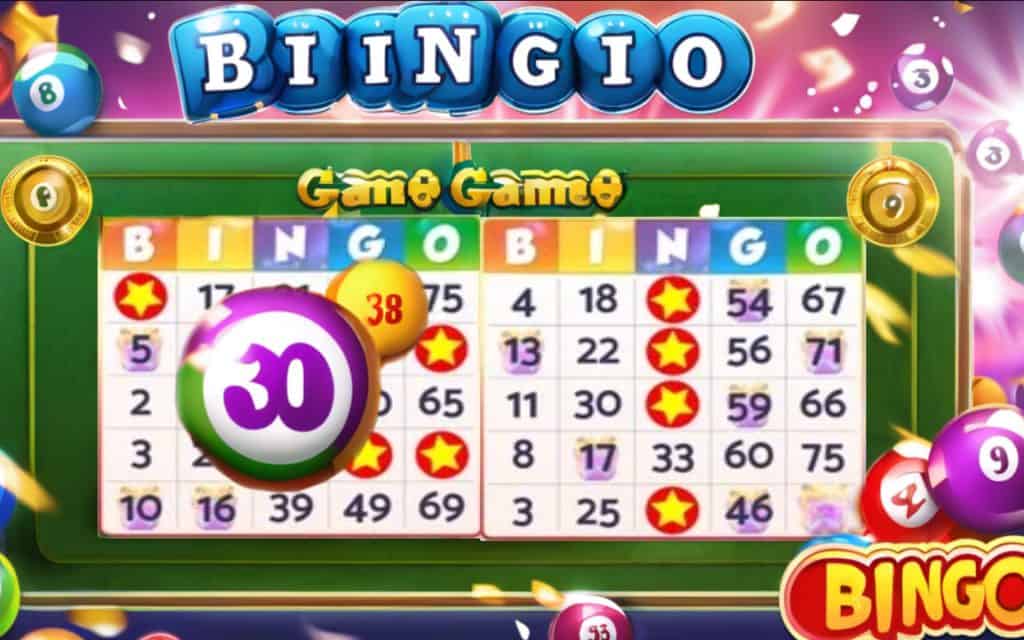
In the United States, bingo is a game of chance in which each player matches the numbers printed
in different arrangements on cards. The game host (a caller) draws at random, marking the selected
numbers with tiles. When a player finds that the selected numbers are arranged on their card in a
row, they call out “Bingo!” to alert all participants to a winning card, which prompts the game host
(or an associate assisting the host) to examine the card for verification of the win.
Players compete against one another to be the first to have a winning arrangement for the
prize or jackpot. After a winner is declared, the players clear their number cards of the tiles and
the game host begins a new round of play. (資料來源 )
In the US, the game is commonly staged by churches or charity organizations.[6][7] Their
legality and stakes vary by state regulation. In some states, bingo halls are rented out to
sponsoring organizations, and such halls often run games almost every day. Church-run games,
however, are normally weekly affairs held on the church premises. These games are usually played for
modest stakes, although the final game of a session is frequently a coverall game that offers a
larger jackpot prize for winning within a certain quantity of numbers called, and a progressive
jackpot is one that may increase per session until it is won. (資料來源 )



 1:1